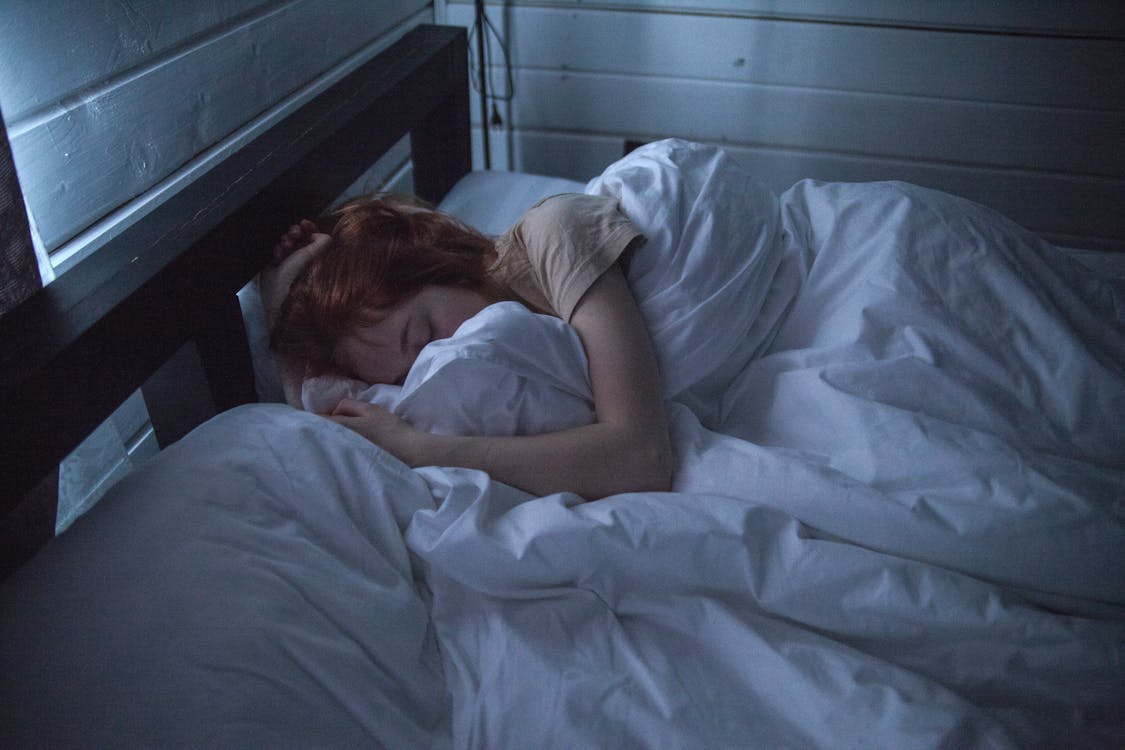
Why Sleep Matters More Than You Think
All of us recognize just how it really feels to get up groggy after an agitated night, but also for some, this sensation is a consistent battle. Sleep is greater than just a break from the day; it's vital for mental quality, physical health and wellness, and emotional health. When rest quality endures night after evening, it can begin to impact every edge of your life. One of one of the most typically forgotten perpetrators is sleep apnea-- a problem that silently disrupts your remainder and try your health without you also realizing it.
What Is Sleep Apnea and How Does It Work?
Sleep apnea is a problem in which your breathing continuously quits and starts while you're asleep. These stops can last just a few secs or stretch to a minute or more, taking place dozens and even thousands of times a night. Your brain detects the absence of oxygen and briefly wakes you up to ensure that normal breathing can return to. Usually, these awakenings are so short that you do not remember them. Yet the result is an evening of fragmented, poor-quality rest that leaves you feeling drained the next day.
There are various kinds of rest apnea, with one of the most common being obstructive sleep apnea. This occurs when the muscles in the back of your throat fail to keep your air passage open. Central rest apnea, though much less usual, entails the mind failing to send the appropriate signals to the muscle mass that regulate breathing.
Refined Signs That Point to a Bigger Problem
Among the trickiest features of rest apnea is how easy it is to miss. Many people think of loud snoring as the main sign, and while snoring is common, it's far from the only warning sign. In fact, some individuals with rest apnea do not snore in any way. That's why it's so crucial to take notice of the extra refined indications that your body may be providing you.
Waking up with a dry mouth or aching throat, morning headaches, and feeling exceedingly sleepy during the day are all signals that something might be off. If you find yourself nodding off throughout work meetings, at the wheel, or perhaps while enjoying TV, maybe an indication that your sleep is being disrupted more frequently than you think.
You might likewise discover state of mind changes, trouble focusing, or a short temper. These symptoms are often crossed out as the result of stress and anxiety or a hectic schedule, however persistent sleep starvation triggered by rest apnea can take a genuine toll on your psychological health.
Just how It Affects Your Body Beyond Sleep
The consequences of unattended sleep apnea go far past daytime drowsiness. In time, this problem can cause serious health and wellness concerns. Interrupted breathing worries the cardio system and has been linked to hypertension, heart problem, stroke, and even type 2 diabetes mellitus. It can also compromise the body immune system, making you more prone to illness and slower to recover.
People dealing with rest apnea additionally encounter a higher risk of developing other sleep conditions. Some experience concerns that might drop under sleep wake disorder treatment, especially when their body clock ends up being disrupted from fragmented rest. Others establish symptoms that might benefit from parasomnia treatment, especially if their interrupted sleep sets off unusual behaviors like sleepwalking or evening fears. And for those who deal with extreme daytime drowsiness despite obtaining what appears like sufficient rest, hypersomnia treatment could be part of the picture.
When to Take Action and What to Expect
So, when should you take that suspicion seriously and speak with a professional? If any one of the symptoms defined above sound acquainted, it's worth having a conversation with a specialist. A sleep research-- either at a center or in the convenience of your home-- can assist determine if rest apnea is the reason for your exhaustion.
Treatment choices differ based on the extent of the condition. Some individuals benefit from way of living changes, such as losing weight or changing rest positions. Others might call for more organized treatments, such as oral home appliances or continual positive air passage stress (CPAP) treatment to keep the original site air passage open throughout rest. It's not a one-size-fits-all situation, and discovering the ideal remedy can considerably enhance lifestyle.
The Emotional Side of Sleep Apnea
There's additionally an emotional weight that typically includes rest problems. Really feeling constantly exhausted and out of sync with your day can cause frustration, embarrassment, and even anxiety. It's typical to feel isolated or misinterpreted, particularly when others don't understand the unnoticeable toll that bad sleep can take.
Support plays an important function in the journey to better rest. Talking honestly concerning your rest issues can help normalize the discussion and urge others to look for assistance as well. If a companion has actually observed your snoring or regular tossing and turning, that understanding could be a crucial hint. In some cases, it's the observations of others that beam a light on an issue you might not have actually acknowledged on your own.
Recovering Control Over Your Nights
The idea of having a sleep problem might really feel daunting at first, yet acknowledging the signs is the very first and most powerful action. Living with unattended sleep apnea does not have to be your standard. With awareness, the appropriate treatment, and a little perseverance, relaxing rest is absolutely feasible.
Healthy and balanced sleep is fundamental to feeling like your finest self. If you're experiencing inexplicable fatigue, frustrations, mood adjustments, or any other signs that something isn't rather appropriate, count on that your body is sending you a message. Obtaining interested about your sleep wellness could be the transforming point that alters just how you relocate through your days.
Remain tuned to the blog site for even more understandings, tips, and support concerning how to improve your sleep and take much better treatment of your health.